

-

Júlia da Motta
Undersecretary for Competitiveness, Economic and Regional Development | Government of the State of São Paulo
palestrante -
Marcello Souza
Market Relationship Manager | SENAI-SP
palestrante -
Vinícius Pinheiro
Director | International Labour Organization (ILO)
palestrante -
Rodrigo Goulart
Municipal Secretary of Economic Development and Labor | São Paulo City Hall
palestrante -

Beatriz Bulla
Journalist |
moderador(a)
-
Mario Mantovani
President | Forest Foundation
palestrante -

Professor Gerson Damiani
Chief Sustainability Officer | GLIP - USP
palestrante -

Ubiratã Gomes
Regional Coordinator of the National Foundation for Indigenous Peoples | FUNAI
palestrante -

Leticia Vidica
Journalist, speaker, moderator, and master of ceremonies | Vidica Comunicações
moderador(a) -
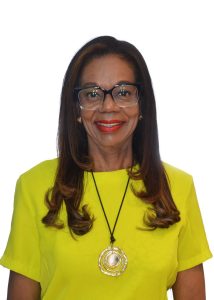
Regina Santana
Municipal Secretary of Human Rights and Citizenship of São Paulo | São Paulo City Hall
palestrante
-
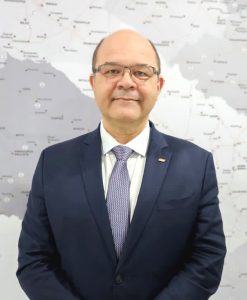
Sérgio Codelo
President of the São Paulo State Department of Highways (DER-SP) | São Paulo State Government
palestrante -
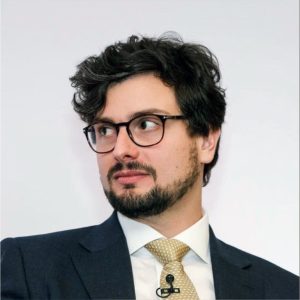
André Isper
President | Artesp (São Paulo State Transport Agency)
palestrante -
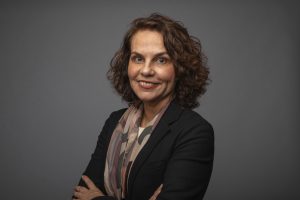
Ana Beatriz Monteiro
Transport Lead Specialist | IDB Inter-American Development Bank
palestrante -
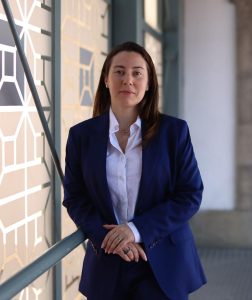
Jamille Consulin
Superintendent of Collective and Waterway Transport at ARTESP (São Paulo State Regulatory Agency for Delegated Public Transportation Services) | São Paulo State Government
moderador(a) -

Caio Luz
Director of Transportation Planning | SPTrans (São Paulo Transporte)
palestrante
-
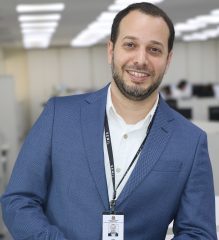
Denis Gerage Amorim
Deputy Secretary of Logistics and Transportation at the Secretariat for the Environment, Infrastructure, and Logistics | Government of the State of São Paulo
palestrante -
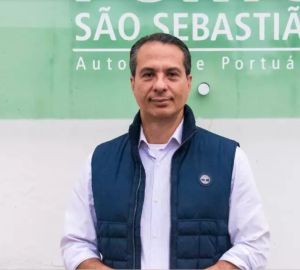
Ernesto Sampaio
CEO | Companhia Docas de São Sebastião
palestrante -
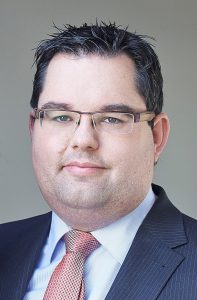
Kristof Waterschoot
Managing Director | Port of Antwerp-Bruges International
palestrante -
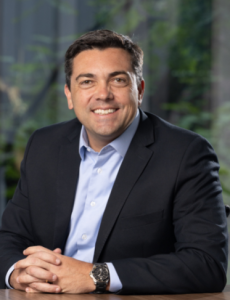
Guilherme Mattos
Executive Director | EDGE
palestrante -
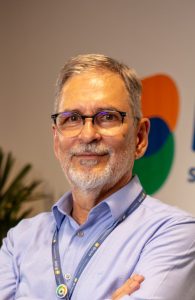
Marcos Azevedo
Head of Sustainability at Bravo Serviços Logísticos and ESG Director at ABOL |
palestrante
-
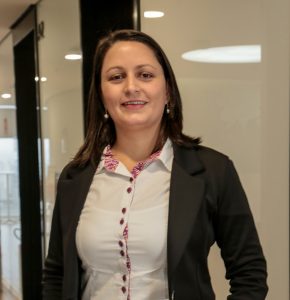
Cintia Oller Cespedes
Sustainability Manager | Brazilian Federation of Banks - Febraban
palestrante -
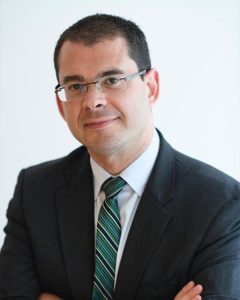
Rui Gomes
President | Invest SP
palestrante -
Beatriz Bulla
Journalist |
moderador(a) -
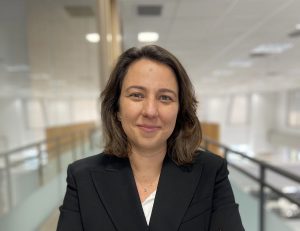
Karla Bertocco
Board Member | Sabesp / Orizon / Vinci
palestrante -
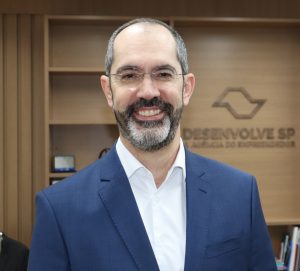
Ricardo Brito
President | Desenvolve SP
palestrante
-
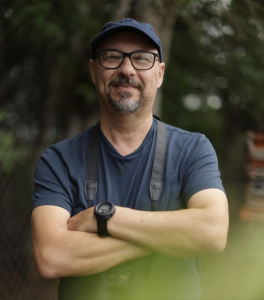
Dr. Mauro Galetti
Full Professor | UNESP
palestrante -
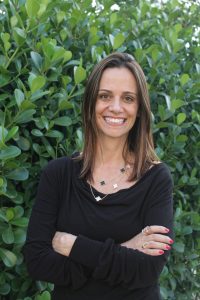
Patrícia Locosque
Director of Biodiversity and Biotechnology | Government of São Paulo
palestrante -
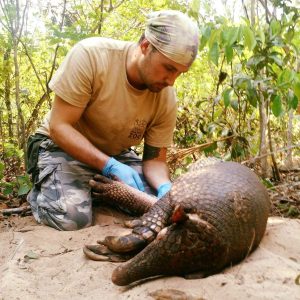
Danilo Kluyber
Veterinarian | Wildlife Conservation Institute – ICAS
palestrante -
Leticia Vidica
Journalist, speaker, moderator, and master of ceremonies | Vidica Comunicações
moderador(a) -
Fernanda Abra
Postdoctoral Researcher / Director | Smithsonian Institution / ViaFauna
palestrante
-
Fernanda Carbonelli
Executive Director | Coastal Conservation Institute (ICC)
palestrante -
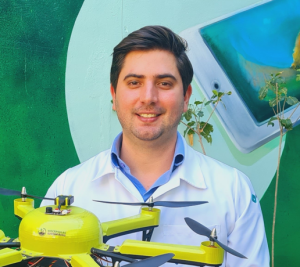
Gabriel Estevam
Director of Research, Development and Innovation | Ambipar
palestrante -
Marcos Alexandre De Campos
CEO | EDP São Paulo Electricity Distribution
palestrante -
Rodrigo Levkovicz
Executive Director | Fundação Florestal
moderador(a)
-
Natália Resende
Secretary of Environment, Infrastructure, and Logistics (Semil) | Government of the State of São Paulo
palestrante -
Brendon Ramos
CEO | Via Appia
palestrante -
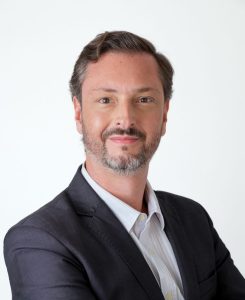
Marcelo Donnini Freire
President of ICT Sigma, Partner at Eco Fusion Expo, and Founder of Vivens Business School | Sigma
moderador(a) -
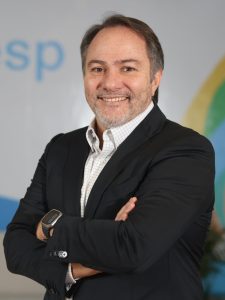
Carlos Piani
CEO | Sabesp
palestrante -
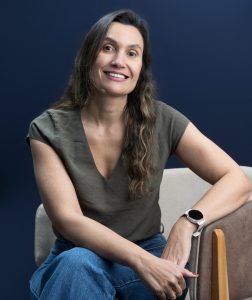
Natalia Marcassa
VP of Institutional Relations | Rumo Malha Norte S/A
palestrante