
-
Luis Novais
Chief Commercial Officer (CCO) | UTIS
palestrante -
João Cordeiro
Technical Director – Energy Division | Institute for Technological Research (IPT)
palestrante -
Rosana Santos
Executive Director | E+ Institute for Energy Transition
palestrante -
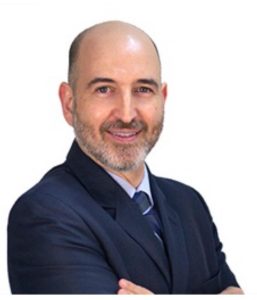
Giovani Machado
Founder of Episteme | President of the Advisory Council | ABH2
palestrante -
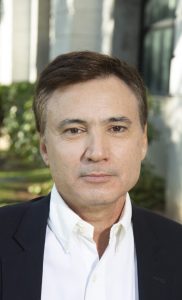
Guilherme Ricci
Business Director | White Martins
palestrante
-
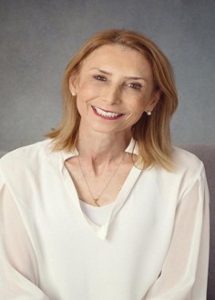
Angela Vidal Gandra
Municipal Secretary of International Relations | São Paulo City Hall
palestrante -
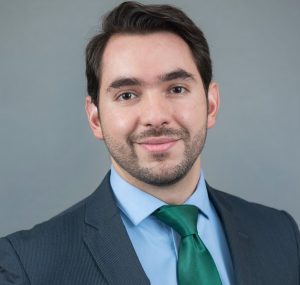
Alejandro Morgado
Investment Officer | International Finance Corporation (IFC)
palestrante -
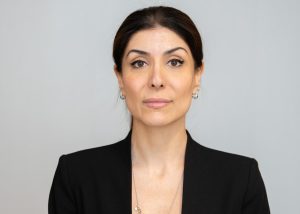
Nigar Arpadarai
Climate High-Level Champion | COP29 Azerbaijão
palestrante -
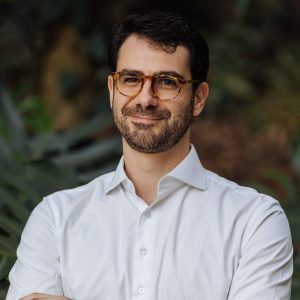
Stefano Gatti
Superintendent for Sustainability and Impact at Desenvolve SP | Government of the State of São Paulo
moderador(a) -
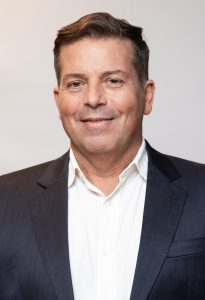
Manoel Serrão
Superintendent of Programmes | Fundo Brasileiro para a Biodiversidade (Funbio)
palestrante
-
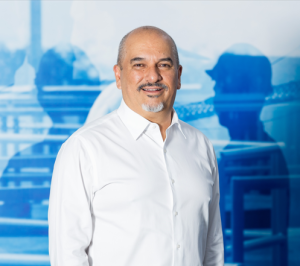
Roberval Tavares
Executive Director of Engineering and Innovation | COO Sabesp
palestrante -
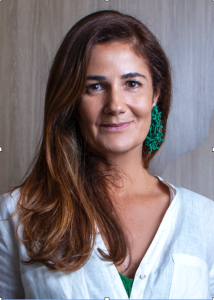
Cláudia Mattos
Co-Founder | Oitto Impacto Positivo
moderador(a) -
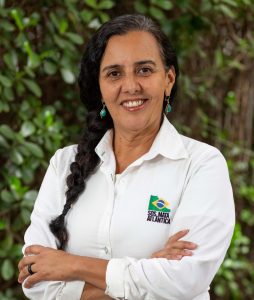
Malu Ribeiro
Director of Public Policy | SOS Mata Atlântica Foundation
palestrante -
Nelson de Campos Lima
Director | SP Águas (São Paulo State Water Agency)
palestrante -
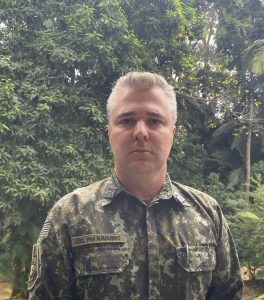
Colonel Leandro Carlos Navarro
Commander of the Environmental Military Police | São Paulo State Government
palestrante
-
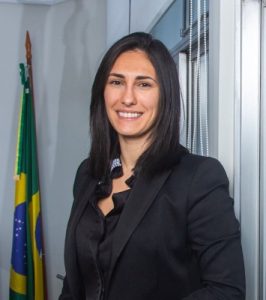
Natália Resende
Secretary of Environment, Infrastructure, and Logistics (Semil) | Government of the State of São Paulo
palestrante -
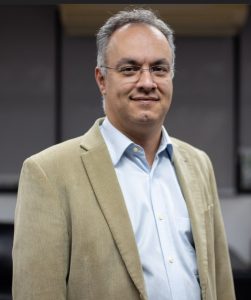
Fernando Padula
Municipal Secretary of Education of São Paulo | São Paulo City Government
palestrante -
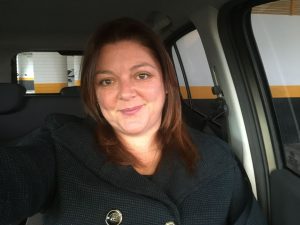
Luciana Feldman
Chief of Staff of the Executive Secretariat for Climate Change | City of São Paulo
palestrante
-
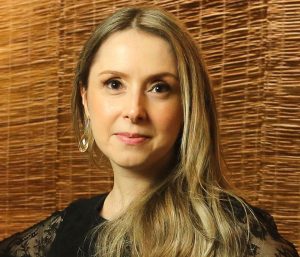
Iara Cardoso
CEO | Storm Group
palestrante -
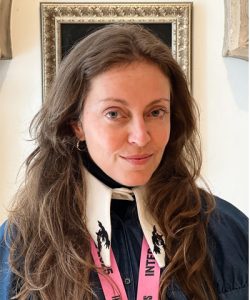
Heloisa Faria
Creative Director and Owner | Eponymous Brand Heloisa Faria
palestrante -
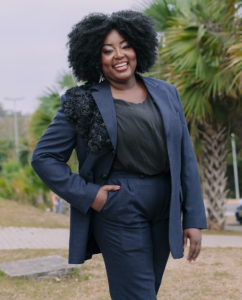
Leticia Vidica
Journalist, speaker, moderator, and master of ceremonies | Vidica Comunicações
moderador(a) -
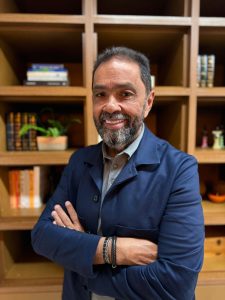
Totó Parente
Municipal Secretary of Culture and Creative Economy | São Paulo City Hall
palestrante -
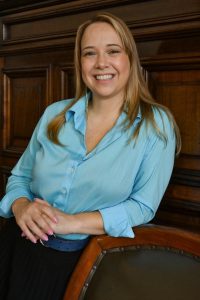
Marília Marton
State Secretary of Culture of São Paulo | Government of the State of São Paulo
palestrante
-
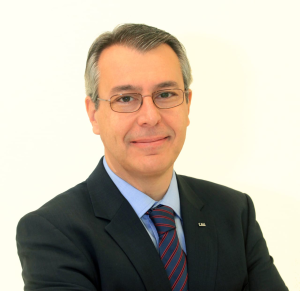
Luiz Antonio Cortez Ferreira
Planning and Environmental Manager | Sao Paulo Metro (Metrô SP)
palestrante -
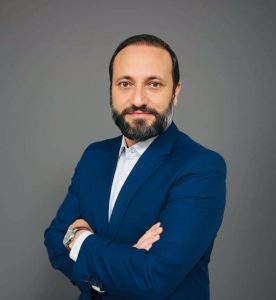
Rafael Toniato Mangerona
Deputy Municipal Secretary for Urban Mobility and Transport | São Paulo City Hall
palestrante -
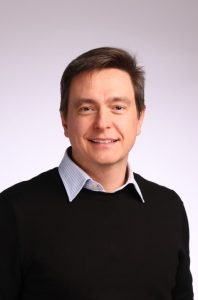
Bruno Dalcolmo
Institutional & Regulatory Director | Comgás
palestrante -
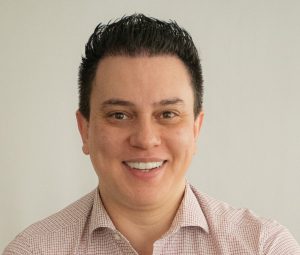
Ricardo Cantarani
Executive Institutional Manager | Necta
palestrante -
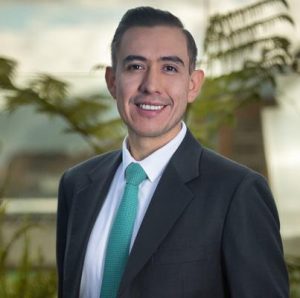
Camilo Morales
Secretary General | Naturgas
palestrante
-
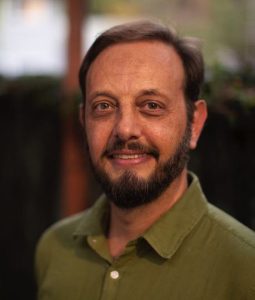
Flávio Miranda Ribeiro
Embassador | Movimento Circular
moderador(a) -
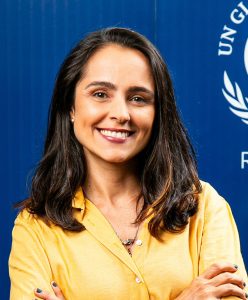
Gabriela Otero Sartini
Water, Oceans, and Waste Manager | Pacto Global da ONU - Rede Brasil
palestrante -
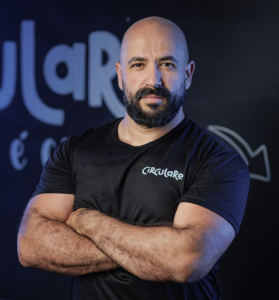
Marcus William Oliveira
CEO | Circular Brain
palestrante -
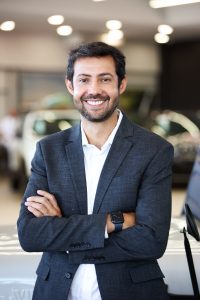
Alexandre Aquino
Vice President of Circular Economy for South America | Stellantis
palestrante -
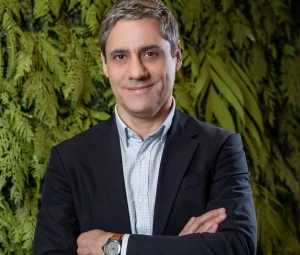
Márcio Nappo
Vice President of Sustainability | Bracell
palestrante