

-
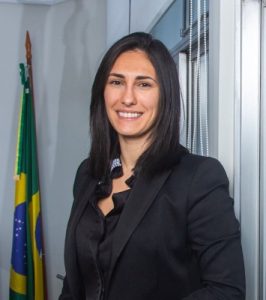
Natália Resende
Secretary of Environment, Infrastructure, and Logistics (Semil) | Government of the State of São Paulo
palestrante -
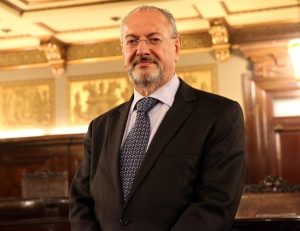
José Renato Nalini
Executive Secretary for Climate Change of the city of São Paulo | São Paulo City Hall
palestrante -
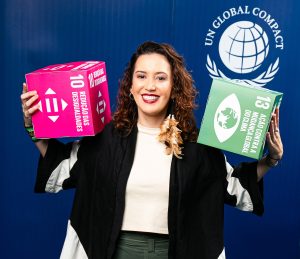
Danielly Mello Freire
Sustainability Manager | United Nations Global Compact
moderador(a) -
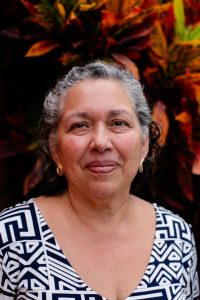
Suely Araújo
Coordenadora de políticas públicas e Professora | Observatório do Clima
palestrante
-
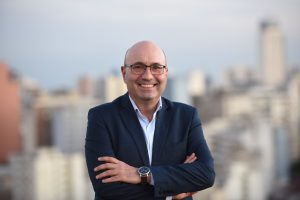
Dário Saadi
Mayor of Campinas | Campinas City Government
palestrante -
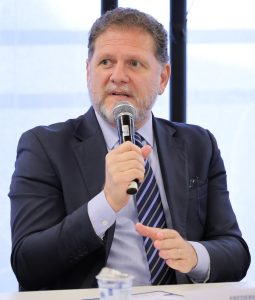
Fred Guidoni
Presidente | Associação Paulista dos Municípios
palestrante -
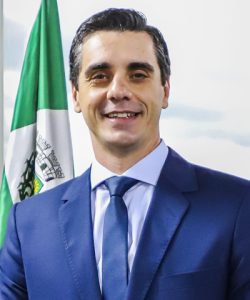
Rafael Piovezan
Mayor | Santa Bárbara d'Oeste City Government
palestrante -
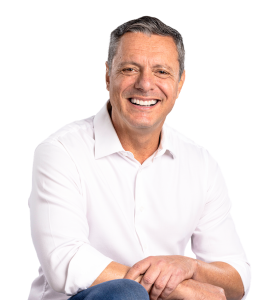
Rogério Santos
Mayor | Santos City Government
palestrante -

Cristiane Borda
Manager of Urban Heat and Health | C40
palestrante
-
Guilherme Piai Filizzola
Secretary of Agriculture and Supply for the State of São Paulo | Government of the State of São Paulo
palestrante -

Eija Hietavuo
Chief Corporate Affairs Officer, Sustainability, Food System Transformation | Tetra Pak
palestrante -
Lia Palm
Agriculture Coordinator, Municipal Secretariat of Economic Development and Labor | São Paulo City Hall
moderador(a) -
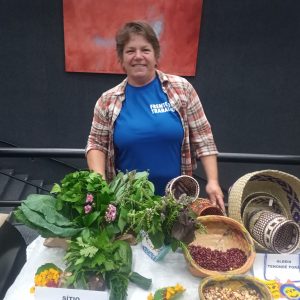
Valéria Macoratti
President | Cooperapas
palestrante -
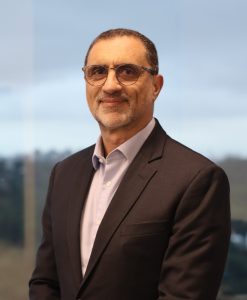
Paulo Pianez
Director of Sustainability and Institutional Relations | MBRF
palestrante
-
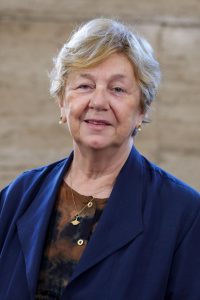
Elisabete França
Secretary of Urban Planning and Licensing | City of São Paulo
palestrante -
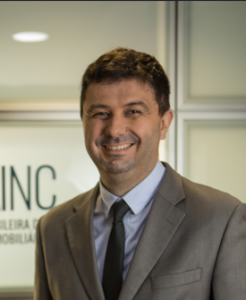
Vladimir Iszlaji
Diretor de desenvolvimento urbano | ABRAINC - Associação Brasileira de Incorporadoras Imobiliárias
palestrante -
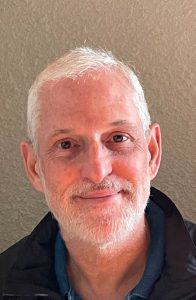
Carlos Borges
Vice President of Technology and Sustainability | SecoviSP
palestrante -
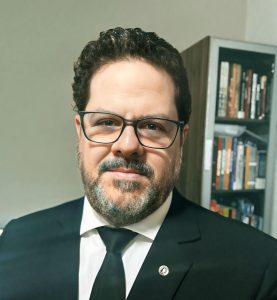
Roberto Racanicchi
Civil Engineer | CREA SP
palestrante -
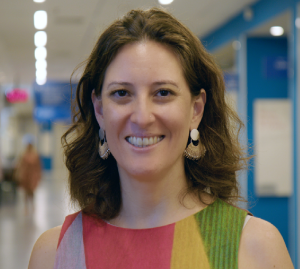
Paulina Achurra
Institutional Coordinator, Center for Urban Studies - Arq.Futuro Lab | Insper Lab Cidades
moderador(a)
-
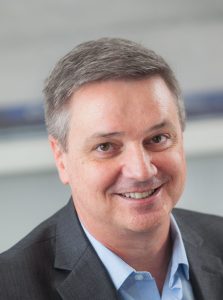
Álvaro Lorenz
Global Director of Sustainability & Institutional Relations | Votorantim Cimentos
palestrante -
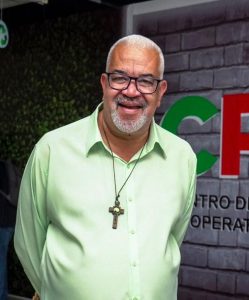
Telines Basilio (Carioca)
President | COOPERCAPS
palestrante -
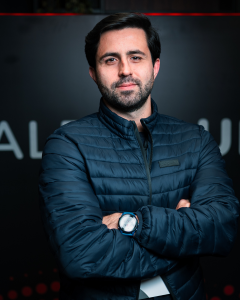
Mateus Peçanha
CEO | Zeros
palestrante -
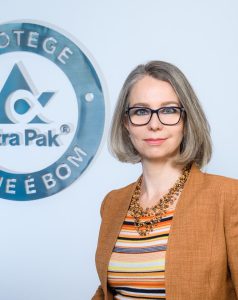
Valéria Michel
Sustainability Director for Brazil and the Southern Cone | Tetra Pak Ltda
palestrante -
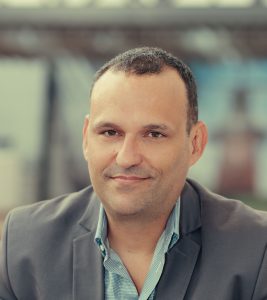
Vinicius Saraceni
General Director | Movimento Circular
moderador(a)
-
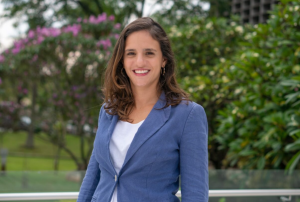
Marina Helou
State Deputy | ALESP
moderador(a) -
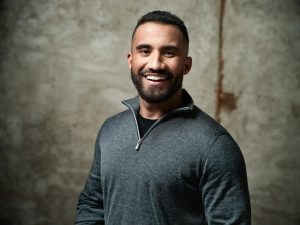
Kondzilla
Producer and Entrepreneur | KONDZILLA
palestrante -
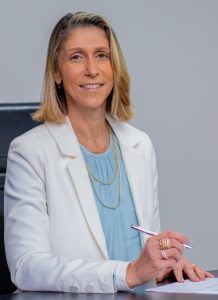
Andrezza Rosalém
State Secretary of Social Development | São Paulo State Government
palestrante -
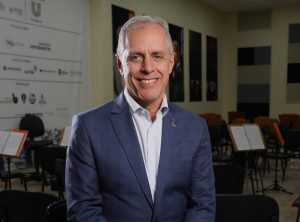
Edilson Ventureli
Conductor and CEO | Baccarelli Institute
palestrante -
Hermes de Sousa
Executive Director | Cacimba Institute for Social Responsibility
palestrante
-
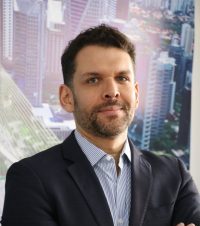
Anderson Marcio de Oliveira
Executive Secretary | Semil
palestrante -

Beatriz Bulla
Journalist |
moderador(a) -
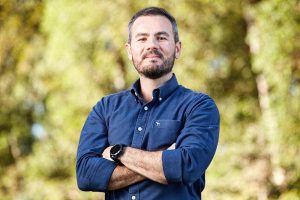
Taciano Custodio
Head of Sustainability for South America | Rabobank
palestrante -
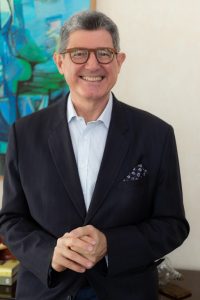
Joaquim Levy
Director of Economic Strategy | Banco Safra S/A
palestrante -

Gustavo Montezano
CEO | YvY capital
palestrante
-
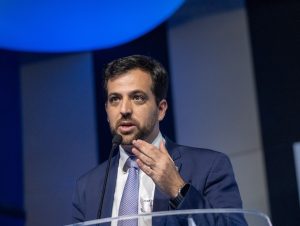
Jose Luis Gordon
Director of Productive Development, Innovation and Foreign Trade | BNDES
palestrante -
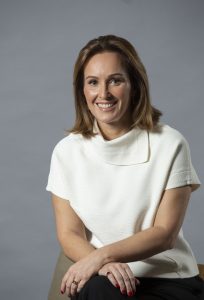
Priscyla Laham
President | Microsoft Brasil
palestrante -
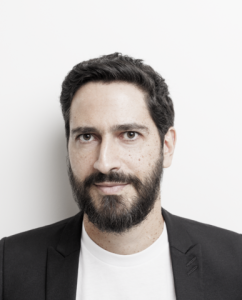
Ronaldo Lemos
CSO | ITS Rio
palestrante -
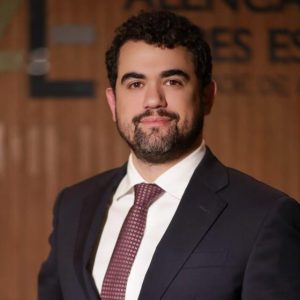
Thiago Camargo
Vice Presidente | InvestSP
moderador(a) -
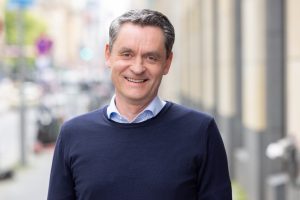
Wolfgang Dieker
Head of Global Government Affairs | SAP
palestrante