

-
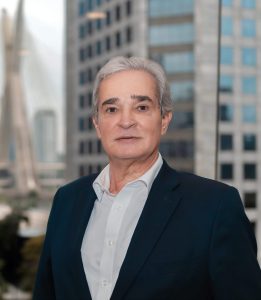
Paulo Camillo Penna
President | Brazilian Portland Cement Association (ABCP) / National Union of the Cement Industry (SNIC)
palestrante -
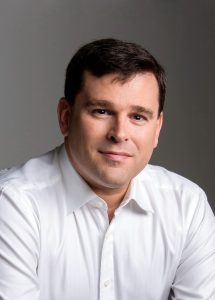
Lucien Belmonte
Executive President | ABIVIDRO
palestrante -
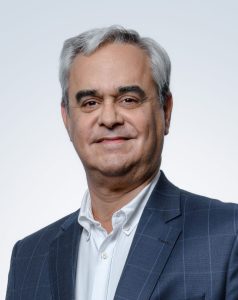
Ambassador José Carlos da Fonseca
Institutional Director | Ibá – Brazilian Tree Industry
palestrante -
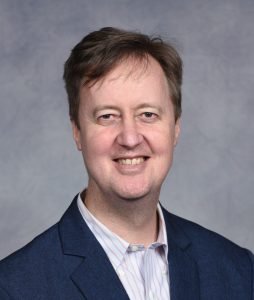
James Stevenson
Vice President & Research Lead, Coal, Metals & Mining | OPIS/Dow Jones
palestrante -
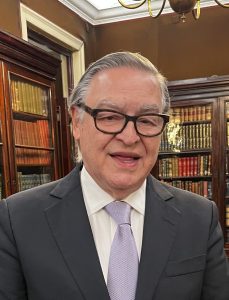
Kalil Cury
Deputy Director of the Department of Sustainable Development | Federation of Industries of the State of São Paulo – FIESP
moderador(a)
-
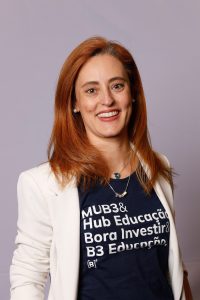
Marina Naime
Educational Projects Manager | B3
palestrante -
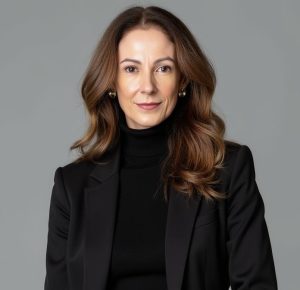
Ana Leoni
CEO | Planejar - Associação Brasileira de Planejamento Financeiro
palestrante -

Beatriz Bulla
Journalist |
moderador(a) -
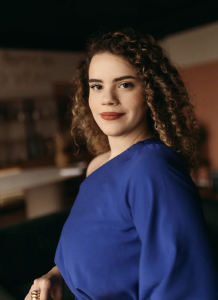
Veridiana Lopes
CEO | Economia Diária
palestrante -
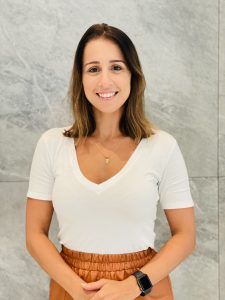
Nathalie Vidual
Superintendent | CVM
palestrante
-
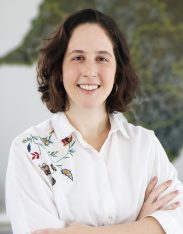
Camila Rocha Cunha Viana
CEO | SP Águas (Water Agency of the State of São Paulo)
palestrante -
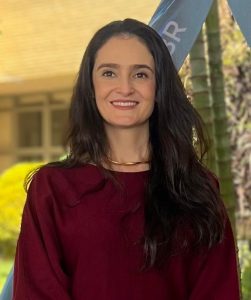
Veronica Sánchez da Cruz Rios
CEO | National Water and Basic Sanitation Agency (ANA)
palestrante -
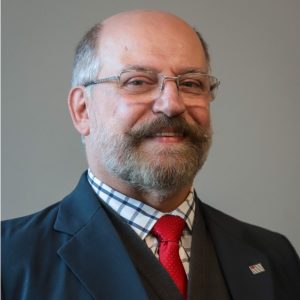
Alberto Amorim
Executive Secretary of Agriculture and Supply | São Paulo State Government
palestrante -
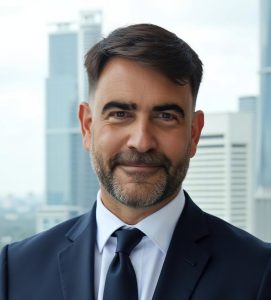
Alejandro Sturniolo
Chief Sustainability Officer | Aqua Positive
palestrante -
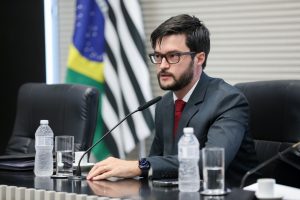
Thiago Mesquita Nunes
Executive President | ARSESP (São Paulo State Public Services Regulatory Agency)
moderador(a)
-
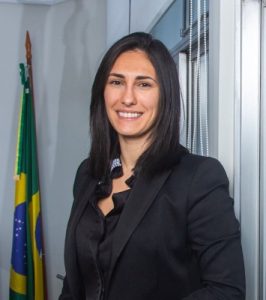
Natália Resende
Secretary of Environment, Infrastructure, and Logistics (Semil) | Government of the State of São Paulo
palestrante -
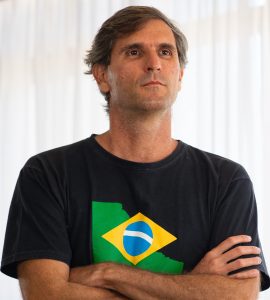
Luís Fernando Guedes Pinto
Executive Director | Fundação SOS Mata Atlântica
palestrante -
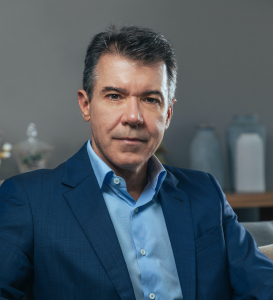
Waldir Beira Júnior
CEO | Ypê
palestrante -
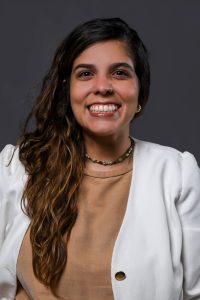
Natália Cerri
Manager | Instituto Itaúsa
palestrante -
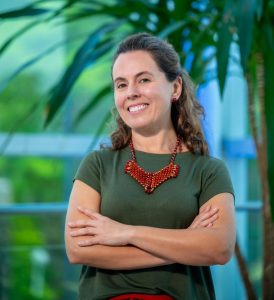
Juliana Maria da Silva
Director of Sustainability | Motiva
palestrante -
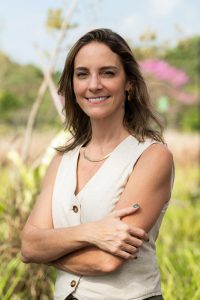
Ligia Camargo
Director of Sustainability at Heineken Brazil and Senior Advisor at the Conscious Capitalism Institute | Heineken Brasil e Instituto Capitalismo Consciente
palestrante -
Katerina Elias-Trostmann
LATAM Director, Climate & Nature | Salesforce
palestrante
-
Rodrigo Figueiredo
President and Founder | My Ocean Institute
palestrante -
Leticia Vidica
Journalist, speaker, moderator, and master of ceremonies | Vidica Comunicações
moderador(a) -
Cristiane Neiva
Director-General of the Pesca Institute | Government of the State of São Paulo
palestrante -
David Schurmann
CEO | Voice of the Oceans
palestrante -
Alexander Turra
Professor | **UNESCO Chair for Ocean Sustainability, University of São Paulo**
palestrante
-
Renata Isfer
Executive President | ABiogás - Brazilian Biogas Association
palestrante -
João Manoel da Costa Neto
Chief Executive Officer at São Paulo Regulatory Agency for Public Services (SP Regula) | São Paulo City Hall
palestrante -
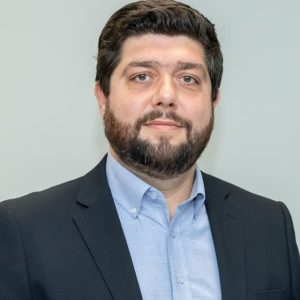
Rafael Ceconello
Director of Government & Regulatory Affairs | Toyota do Brasil
palestrante -
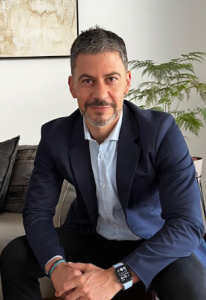
Pablo Aledo
Energy Business Director | Veolia Brasil
palestrante -
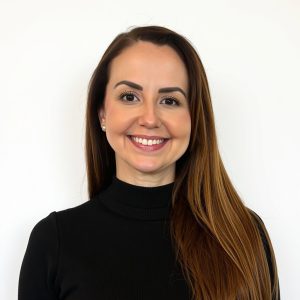
Camila Affonso
Co-Founder and Managing Partner | Leggio
palestrante
-
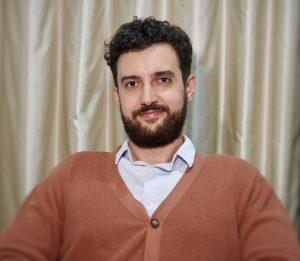
André Escada
Climate Policy Manager | Biomas
palestrante -
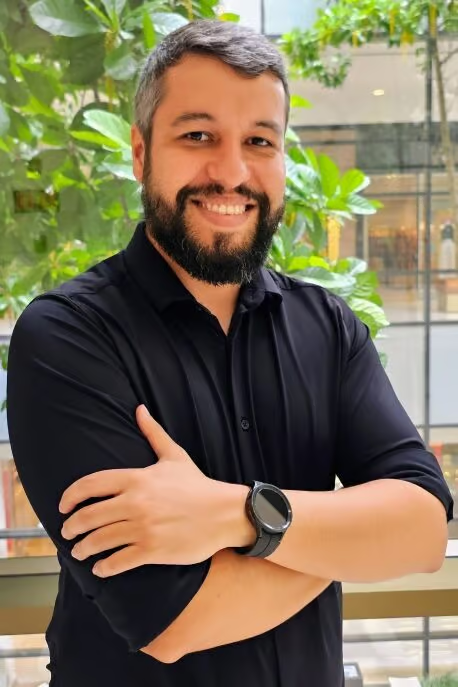
Cassio Souza
Director, Market and Client Relations | Verra
palestrante -
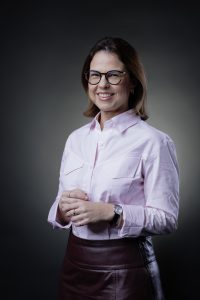
Marta Giannichi
Director of Sustainability | Minerva Foods
palestrante -
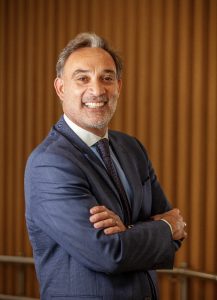
Kleber Meira
Executive Director of Congonhas Airport | Aena Brasil
palestrante -
Thomaz Miazaki de Toledo
President and CEO | CETESB
moderador(a)
-
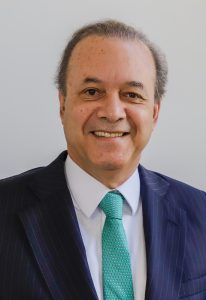
Eleuses Paiva
State Secretary of Health | Government of the State of São Paulo
palestrante -
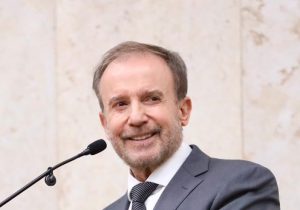
Luiz Carlos Zamarco
Municipal Health Secretary | São Paulo City Government
palestrante -
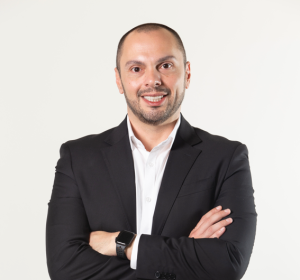
Olavo Correa
President | AstraZeneca
palestrante -
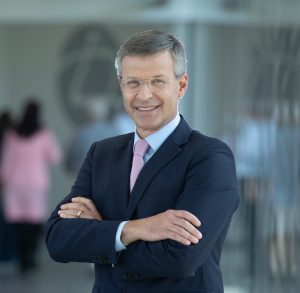
Sidney Klajner
President | Albert Einstein Israelite Hospital
palestrante -
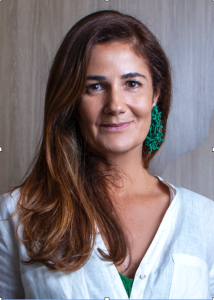
Cláudia Mattos
Co-Founder | Oitto Impacto Positivo
moderador(a)